




Emerging Markets Demand Analysis for MCCBs and ACBs
Shendian Electrical Insights
Executive Summary
Power outages, project delays, or rising energy instability in emerging markets? Choosing advanced MCCB and ACB solutions can significantly reduce these risks while optimizing energy reliability.
As a leading manufacturer and global supplier of low-voltage electrical components, Shendian Electrical (SSPD) observes accelerating demand for Molded Case Circuit Breakers (MCCBs) and Air Circuit Breakers (ACBs) across emerging markets.
Driven by infrastructure growth, renewable energy integration, and smart grid deployments, the global MCCB and ACB market is projected to expand at a CAGR of 6.8% from 2023 to 2030 (Grand View Research, 2023). Emerging markets are expected to contribute 63% of the projected $8.2 billion global growth during this period (MarketsandMarkets, 2023).
As trusted MCCB manufacturers and ACB exporters, Shendian Electric provides insights into these dynamic trends to help stakeholders capitalize on upcoming opportunities.
Market Overview
Current Market Landscape
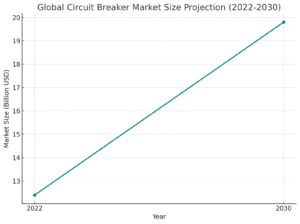
The global circuit breaker market reached $12.4 billion in 2022 and is projected to grow to $19.8 billion by 2030 (Grand View Research, 2023). Key trends include:
- Accelerated urbanization requiring robust industrial circuit protection
- Government-led smart grid initiatives
- Rising safety standards across industrial sectors
- Renewable energy integration driving advanced protection needs
Product Segmentation
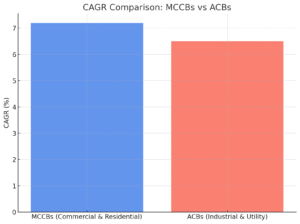
- Molded Case Circuit Breakers (MCCBs): 7.2% CAGR, dominant in commercial and residential electrical systems (Fortune Business Insights, 2023)
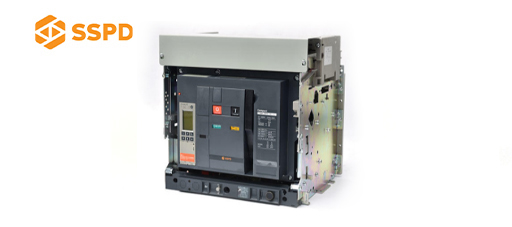
- Air Circuit Breakers (ACBs): 6.5% CAGR, preferred in industrial and utility-scale power distribution (Mordor Intelligence, 2023)
Key Growth Drivers
1. Infrastructure Development Boom
Emerging economies invest $1.2 trillion annually in infrastructure (World Bank, 2023), fueling demand for:
- Urban electrification (+35% MCCB demand)
- Transportation networks (+28% ACB installations)
SSPD offers MCCB and ACB models specifically adapted for high-load urban and transit system requirements.
2. Renewable Energy Revolution
$486 billion invested in emerging market renewables in 2022 (IEA, 2023) requires:
- Advanced protection for variable power flows
- Grid stability and smart monitoring solutions
Technology Response:
- Solar-ready MCCBs with DC protection (+9.1% CAGR)
- ACBs with adaptive protection settings (+8.3% CAGR)
Shendian Electric’s MCCB solutions are already optimized for solar and wind installations, helping clients meet energy goals safely and efficiently.
3. Smart Grid Deployments
$127 billion in smart grid investments planned through 2027 (Navigant Research, 2023) necessitate:
- Remote monitoring and control
- Automated fault detection
- Integrated energy management systems
SSPD has developed digital-ready circuit breakers compatible with leading smart grid platforms.
4. Industrial Sector Expansion
Manufacturing output in emerging markets is growing at 5.8% annually (UNIDO, 2023), driving demand for:
- High-breaking capacity industrial ACBs
- Durable protection solutions
- Predictive maintenance capabilities
Regional Market Analysis
Asia-Pacific: Powerhouse Market
- China: 42% of regional demand in 2022 ($3.8 billion)
- India: Projected 8.9% CAGR through 2030
- ASEAN: $2.1 billion market by 2025
Latin America: Modernization Momentum
- Brazil: 7.1% annual circuit breaker market growth
- Mexico: $890 million market by 2025
- Chile: Mining sector driving 9.2% ACB growth
Middle East & Africa: Diversification Drive
- GCC Countries: $1.4 billion market by 2025
- South Africa: 6.7% annual growth
- North Africa: Solar projects driving 8.5% MCCB demand
Technology Trends
Innovations Shaping the Market
- Digital MCCBs and ACBs (+12.3% CAGR):
- Cloud-based monitoring
- Predictive analytics
Shendian Electric’s smart breakers already feature onboard diagnostics and remote firmware upgrades.
- Enhanced Safety Features:
- Arc fault detection (+10.2%)
- Ground fault prevention
- Sustainable Circuit Breaker Solutions:
- Energy-efficient designs (+7.9%)
- Use of recyclable materials
Future Outlook (2025-2030)
Market Projections
- +68% growth in smart MCCB adoption
- +72% increase in high-voltage ACB demand
- IoT-enabled circuit breakers to capture 38% market share
Emerging Opportunities
- Microgrid applications ($2.8 billion opportunity)
- EV charging infrastructure (+9.8% CAGR)
- Data center power protection (+11.2% growth)
Strategic Recommendations
Manufacturers
- Develop region-specific MCCB and ACB variants
- Enhance digital capabilities and IoT readiness
- Establish localized production facilities
Distributors
- Stock smart circuit breaker inventory
- Provide technical training for industrial ACB and MCCB installers
- Partner with renewable energy project developers
End Users
- Upgrade to smart circuit breaker systems
- Implement predictive maintenance strategies
- Align with evolving international electrical safety standards
Conclusion
The global MCCB and ACB market in emerging economies represents a dynamic $14.6 billion opportunity by 2030. Manufacturers, distributors, and end users who embrace advanced protection technologies and adapt to regional market needs will be best positioned to capitalize on this rapid growth.
As a trusted MCCB supplier and ACB manufacturer, Shendian Electric (SSPD) is committed to supporting partners with innovative, high-performance circuit protection solutions for emerging market applications.
👉 Browse Our MCCB & ACB Catalog – Explore Innovations
👉 Request a Custom Solution for Your Project

References
- Grand View Research. (2023). Circuit Breaker Market Size Report.
- MarketsandMarkets. (2023). MCCB and ACB Market Forecast.
- Fortune Business Insights. (2023). Molded Case Circuit Breaker Market Analysis.
- Mordor Intelligence. (2023). Air Circuit Breaker Market Report.
- World Bank. (2023). Global Infrastructure Investment Report.
- IEA. (2023). Renewable Energy Market Update.
- Navigant Research. (2023). Smart Grid Technologies Report.
- UNIDO. (2023). Industrial Development Statistics.