Electrical fires remain one of the most serious threats to safety in residential, commercial, and industrial environments. With increasing energy demands and system complexity, the need for robust circuit protection is more vital than ever. Among the key components in any fire-safe electrical system are Molded Case Circuit Breakers (MCCBs) and Air Circuit Breakers (ACBs). These devices do more than just protect equipment—they serve as the first line of defense against fire hazards.
1. Understanding Electrical Fires: A Hidden Risk
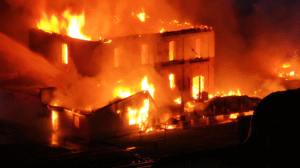
Electrical fires are typically caused by:
- Short circuits
- Overloads or overcurrent
- Arcing faults
- Loose connections and aging components
These issues generate heat, sparks, or electrical arcs that may ignite nearby materials such as insulation or dust. Early detection and interruption of faults are essential to prevent escalation.
Have you assessed your current breaker system for fire risks?
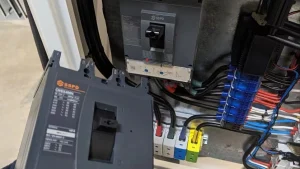
2. MCCBs: Compact Guardians in Everyday Systems
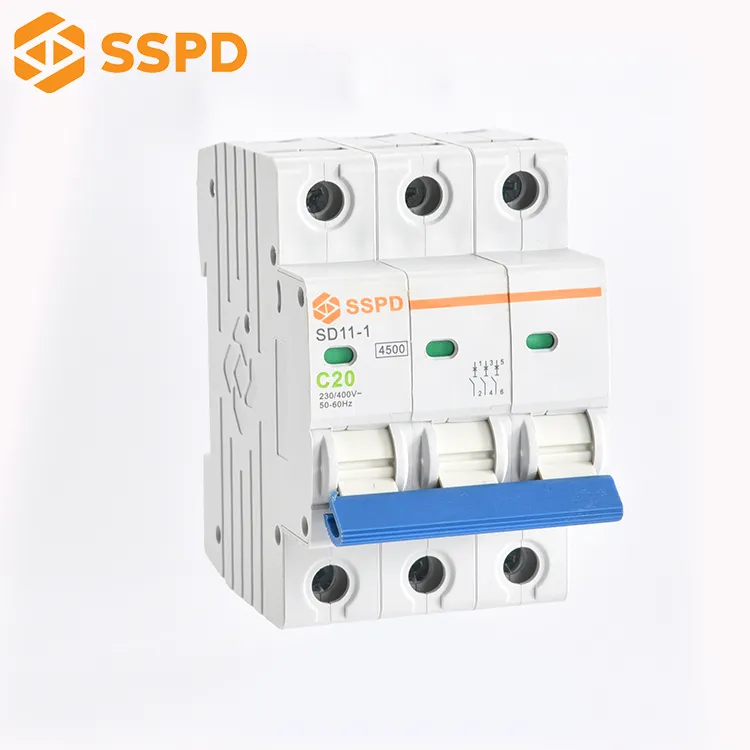
MCCBs are widely deployed in low-voltage systems, especially in commercial panels, industrial machinery, and power distribution boards.
2.1 How MCCBs Prevent Fires:
- Thermal Overload Protection
A bimetallic strip bends with heat from prolonged overcurrent, triggering a trip before overheating becomes dangerous. - Magnetic (Instantaneous) Protection
Reacts within milliseconds to high fault currents, cutting power before an arc can form. - Advanced Accessories
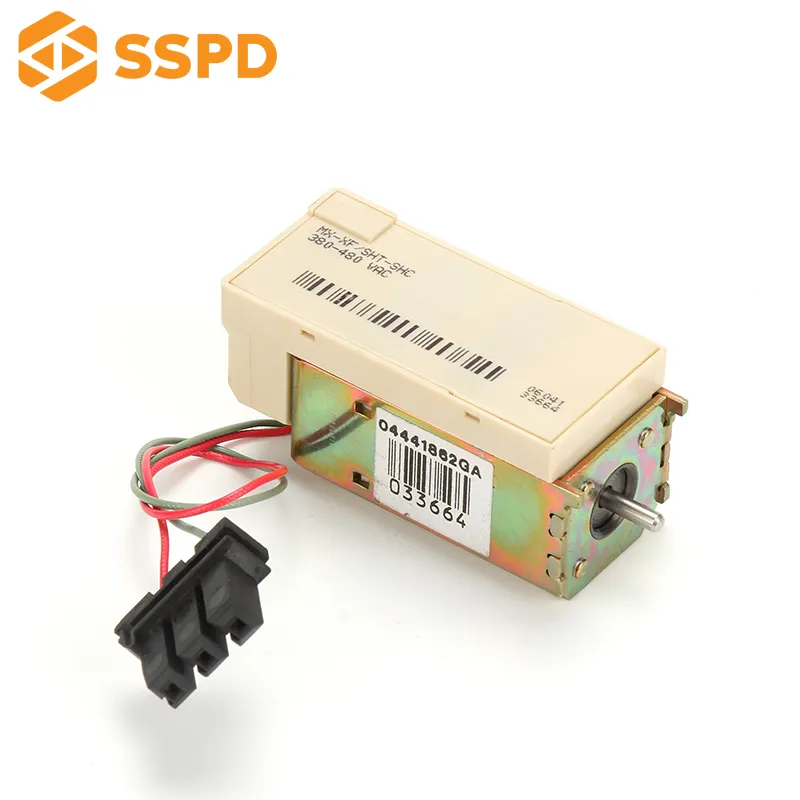
Options like shunt trips, under-voltage releases, and auxiliary contacts allow MCCBs to integrate with building safety and alarm systems. - Certified Reliability
When compliant with IEC or UL standards, MCCBs provide guaranteed performance under fault conditions.
MCCBs are compact, cost-effective, and suitable for hundreds of daily load protection tasks. But when the stakes are higher—like in main power feeders—you need more.
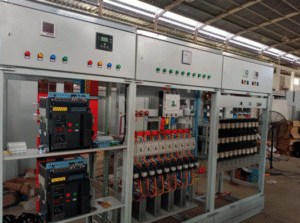
3. ACBs: Intelligent Protection for High-Demand Systems
Air Circuit Breakers (ACBs) are designed for high-current applications (up to several thousand amperes), commonly used in main switchboards and large-scale industrial systems.
3.1 How ACBs Enhance Fire Prevention:
- Zone-Selective Interlocking (ZSI)
Coordinates with downstream breakers to isolate faults precisely, minimizing damage and arc energy. - Adjustable Settings
Tailor overload, short-circuit, and ground fault protection to specific applications and fire prevention requirements. - Arc Extinguishing Systems
Equipped with arc chutes to redirect and cool electrical arcs, eliminating ignition sources quickly. - Smart Monitoring & Communication
Modern ACBs offer digital displays, energy analysis, and remote alerts—ideal for preventive maintenance and fire risk detection.
Example: In a recent logistics center, an ACB detected excessive neutral current due to a wiring issue and shut down the circuit—preventing insulation burn and potential fire.
4. Layered Defense: MCCB + ACB Strategy
To achieve holistic protection, both MCCBs and ACBs must work in tandem:
- MCCBs protect localized branch circuits and equipment
- ACBs safeguard main busbars and switchgear systems
This layered strategy ensures fast, localized fault isolation, which not only protects equipment but also prevents fault propagation and fire escalation.
Are your MCCBs and ACBs configured for maximum fire safety?
5. Proper Installation and Maintenance Matter
Even the best breakers cannot prevent fire if installed or maintained improperly. Key practices include:
- Thermal imaging to detect overheating
- Mechanical inspection and contact wear analysis
- Secondary injection testing to confirm trip behavior
Working with a certified electrical professional ensures breakers are operating within safe parameters.
6. Conclusion: Fire Prevention Begins with Design
At SSPD, we believe fire safety starts with smart engineering. Our full range of MCCBs and ACBs is:
- Certified to IEC/UL standards
- Factory-tested for fault response accuracy
- Built with safety-focused accessories and monitoring options
Whether you’re upgrading a distribution board, planning a new facility, or auditing existing protection, investing in the right breakers is a proactive fire prevention strategy.
Need help choosing the right circuit protection for fire-safe operations?
Contact our experts today for a free consultation or tailored system design.