Why Does an MCCB Trip Without Overload?
Common Causes of False Tripping & How to Fix Them**
In low-voltage distribution systems, false tripping of a Molded Case Circuit Breaker (MCCB) can interrupt production, damage sensitive equipment, and create costly downtime.
At SSPD (Shendian Electric), we design MCCBs with stable thermal-magnetic structures, precise trip calibration, and IEC-compliant performance to minimize nuisance tripping—while ensuring real faults are cleared instantly.
Below, we answer the most common questions customers ask about MCCB false tripping reasons and practical solutions.
❓ What Is MCCB False Tripping?
False tripping refers to a situation where an MCCB trips without an actual overload, short circuit, or ground fault.
Although the breaker appears to function normally, the trip is triggered by non-fault conditions or improper settings.
❓ What Are the Most Common Causes of MCCB False Tripping?
🔹 1. Inrush Current from Motors or Transformers
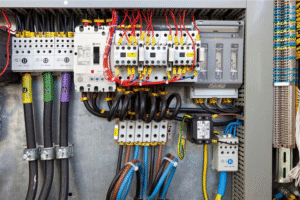
When motors start, they can draw 6–10 times rated current for a short period.
If the MCCB instantaneous trip setting is too low, it may trip even though no fault exists.
Solution
-
Increase instantaneous trip setting (within safe limits)
-
Use MCCB with adjustable magnetic release
-
Select breaker with higher short-time withstand capability
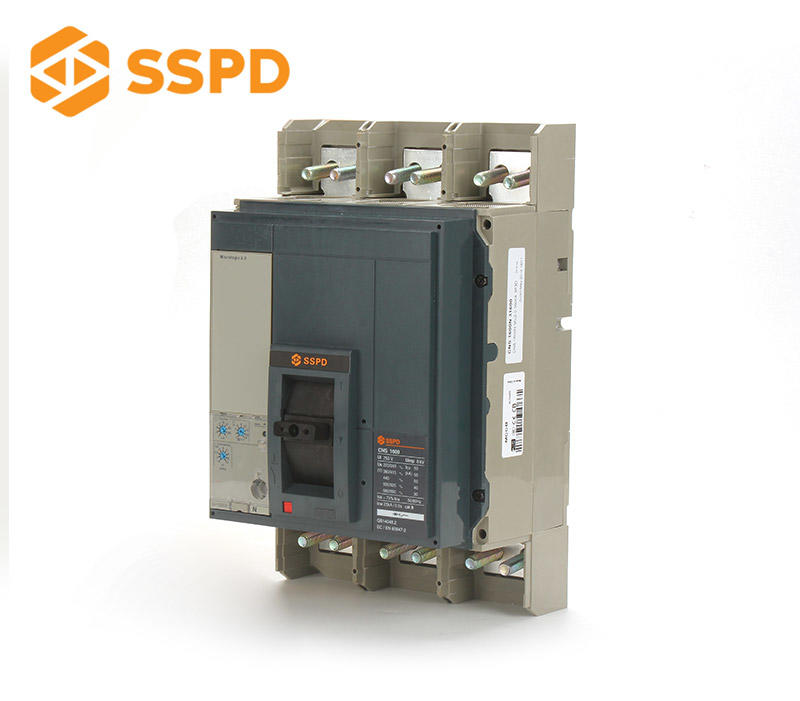
SSPD MCCBs feature wide-range adjustable magnetic trip units, ideal for motor and transformer applications.
🔹 2. Improper MCCB Rating or Undersizing
Solution
-
Recalculate load current and diversity factor
-
Choose MCCB with adequate margin (typically 125% of continuous load)
-
Verify cable size matches breaker rating
SSPD engineers provide selection guidance to ensure correct MCCB sizing for your system.
🔹 3. Loose or Poor Connections


Solution
-
Torque terminals according to manufacturer specifications
-
Periodically inspect for discoloration or overheating
-
Use copper busbars and high-quality terminals
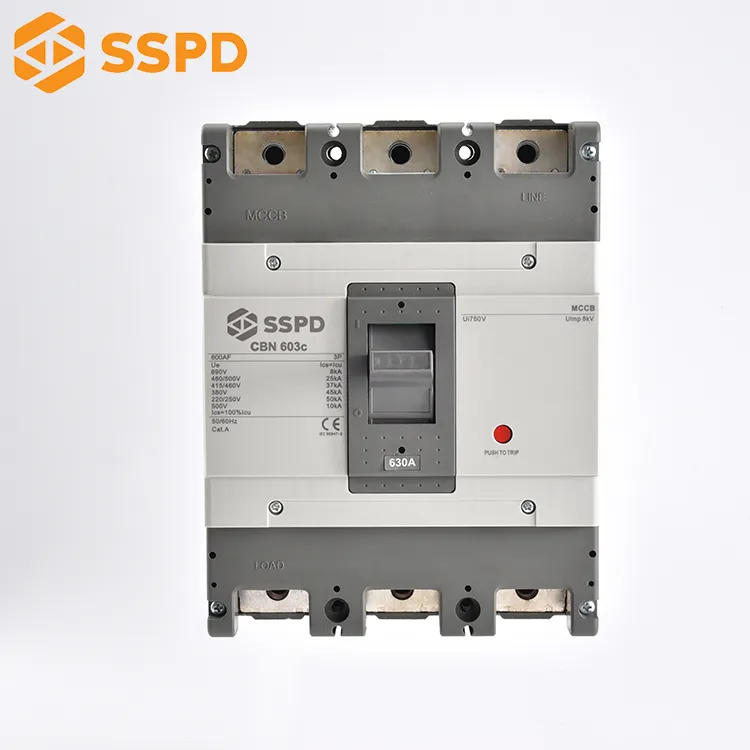
SSPD MCCBs adopt silver-alloy contacts and reinforced terminal structures to improve conductivity and reduce heat rise.
🔹 4. Ambient Temperature Too High

Solution
-
Improve panel ventilation or add cooling fans
-
Avoid installing MCCB near heat sources
-
Consider MCCB with temperature-compensated trip unit
SSPD MCCBs are tested for stable performance under elevated temperatures.
🔹 5. Harmonics and Power Quality Issues

Solution
-
Install harmonic filters
-
Use MCCB with true RMS electronic trip unit
-
Separate sensitive loads
SSPD electronic-trip MCCBs provide accurate sensing under distorted waveforms.
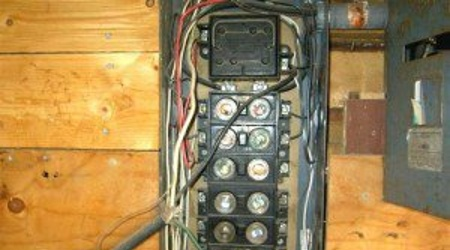
🔹 6. Aging or Damaged MCCB

Solution
-
Test trip performance periodically
-
Replace MCCB if mechanical wear is found
-
Use products with long mechanical & electrical life
SSPD MCCBs are designed for high mechanical endurance and stable calibration.
❓ How Can I Prevent MCCB False Tripping?
-
Correct MCCB selection (current rating & breaking capacity)
-
Proper coordination with downstream devices
-
Regular tightening and inspection
-
Good panel ventilation
-
Use adjustable or electronic trip MCCBs for critical loads
❓ Why Choose SSPD MCCBs?
SSPD (Shendian Electric) specializes in low-voltage protection devices with:
-
Stable thermal-magnetic and electronic trip units
-
High short-circuit breaking capacity
-
Adjustable protection settings
-
IEC-compliant design and testing
-
Customization for different markets
Our goal is simple: reduce nuisance tripping while guaranteeing reliable fault protection.
Final Thoughts
False tripping is not just a breaker issue—it is often a system design or application issue.
With proper selection and high-quality MCCBs like those from SSPD, you can significantly reduce nuisance trips and improve system reliability.
👉 Need help selecting the right MCCB for your application?
Contact SSPD technical support for professional recommendations.