Moulded Case Circuit Breakers (MCCBs) are essential components in low-voltage electrical systems, engineered to protect circuits from damage caused by overloads and short circuits. Whether used in industrial facilities, commercial buildings, or critical infrastructure, understanding how MCCBs detect and interrupt abnormal current is key to ensuring long-term electrical safety and system reliability.
🧠 What Is an MCCB and Why It Matters
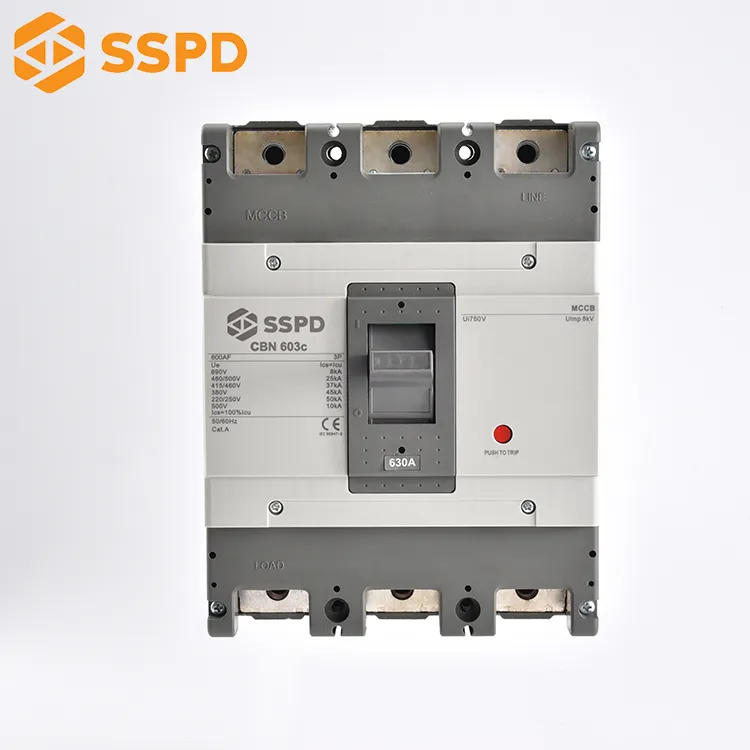
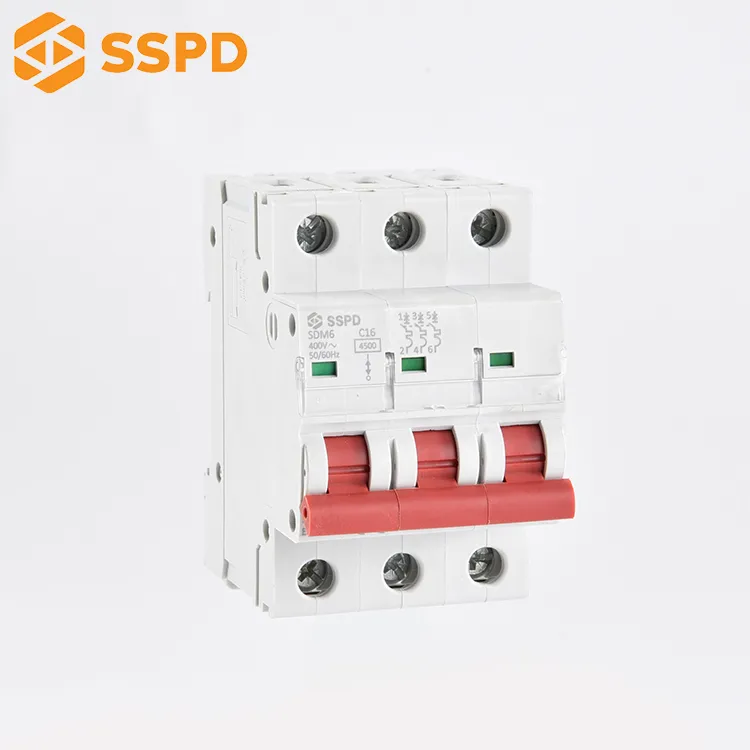
A Moulded Case Circuit Breaker (MCCB) is a protection device designed to automatically disconnect electrical power in the event of abnormal current flow. It is rated for higher currents than MCBs, typically ranging from 10A to 1600A, making it suitable for main feeders, motor circuits, and branch protection in larger electrical networks.
MCCBs incorporate thermal and magnetic trip mechanisms that respond to different fault conditions: prolonged overloads and sudden short circuits. These mechanisms operate in tandem to ensure comprehensive protection.
🔥 Overload Protection Using Thermal Trip Mechanism
An overload occurs when a circuit carries current beyond its rated capacity over time—without a direct short. This can overheat cables and equipment, degrade insulation, and eventually cause fires if not addressed.
The MCCB uses a thermal bimetallic strip to detect overloads:
The strip is made of two metals with differing expansion rates.
As current flows, the strip heats up proportionally to the load.
When excessive current persists, the strip bends and activates the trip latch.
The MCCB opens its contacts and interrupts the circuit.
This mechanism provides a time-delayed response, ensuring temporary surges (like motor inrush currents) do not cause nuisance tripping.
✅ Advantages:
Responds to sustained overloads, not transient spikes
Protects cables, motors, and downstream loads
Adjustable time-current curves in advanced models
⚡ Short-Circuit Protection via Magnetic Trip Mechanism
Short circuits cause instantaneous, high-magnitude currents due to a fault path with little or no resistance. This can lead to severe equipment damage or electrical fires in milliseconds.
To prevent this, MCCBs feature a magnetic solenoid mechanism:
A high fault current passes through a magnetic coil (solenoid).
The resulting magnetic field pulls a mechanical plunger.
This triggers an immediate trip and contact separation.
This trip occurs within milliseconds, providing instantaneous protection.
🔒 Combined Protection in One Device
MCCBs are designed to integrate both thermal and magnetic protection into one compact unit, offering dual-level safety. They not only detect long-term overloads but also instantly respond to catastrophic faults.
🛡️ MCCBs provide complete protection by using thermal overload detection for sustained high currents and magnetic short-circuit interruption for instant faults, making them essential for safe and reliable electrical systems.
📊 Adjustable Protection Parameters (Advanced Models)
Many MCCBs allow for customization of their protection settings, especially in industrial applications where load profiles vary. Commonly adjustable parameters include:
| Setting | Function |
|---|---|
| Ir | Overload pickup current (in % of rated current) |
| Tr | Overload delay time |
| Isd | Instantaneous short-circuit pickup current |
| Tsd | Delay time for short-circuit trip (if available) |
This flexibility enables selective coordination between breakers, ensuring only the faulted section trips—preserving continuity for the rest of the system.
💡 Current Limiting Action of MCCBs
In high fault conditions, many MCCBs also provide a current-limiting effect through rapid contact separation and arc chute design. This reduces the peak let-through energy, minimizing damage to connected equipment.
Limits fault energy transmitted downstream
Protects sensitive devices like VFDs, PLCs, and UPS systems
Enhances arc flash safety
🛠️ Applications of MCCB Protection
MCCBs are widely used across industries thanks to their reliability and adaptability:
🏭 Industrial Control Panels
🏢 Commercial Distribution Boards
⚙️ Motor Protection Circuits
🔌 Generator Outputs and Transformer Circuits
🌍 Renewable Energy Systems
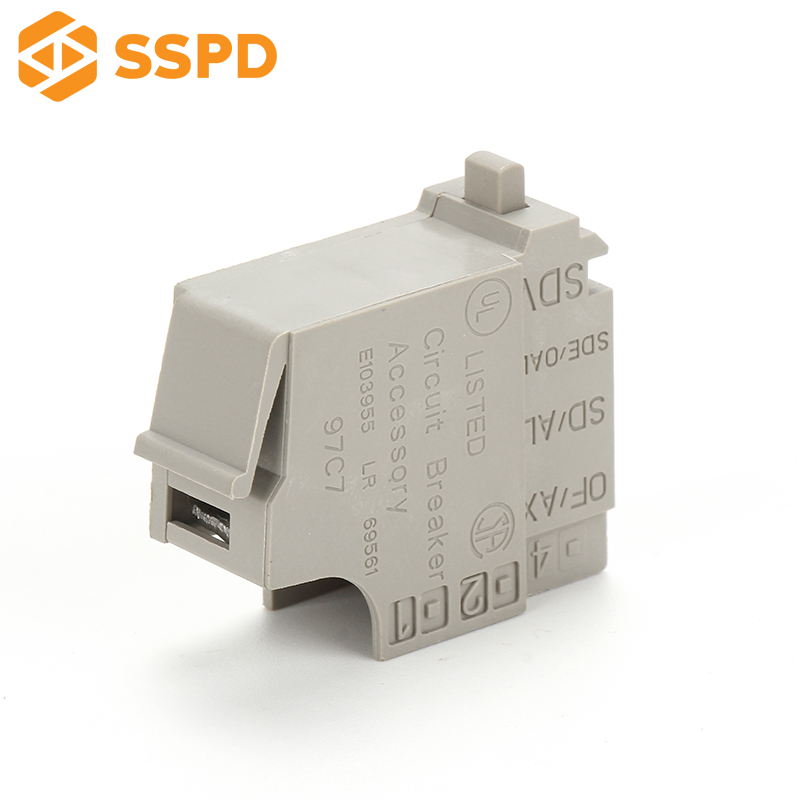
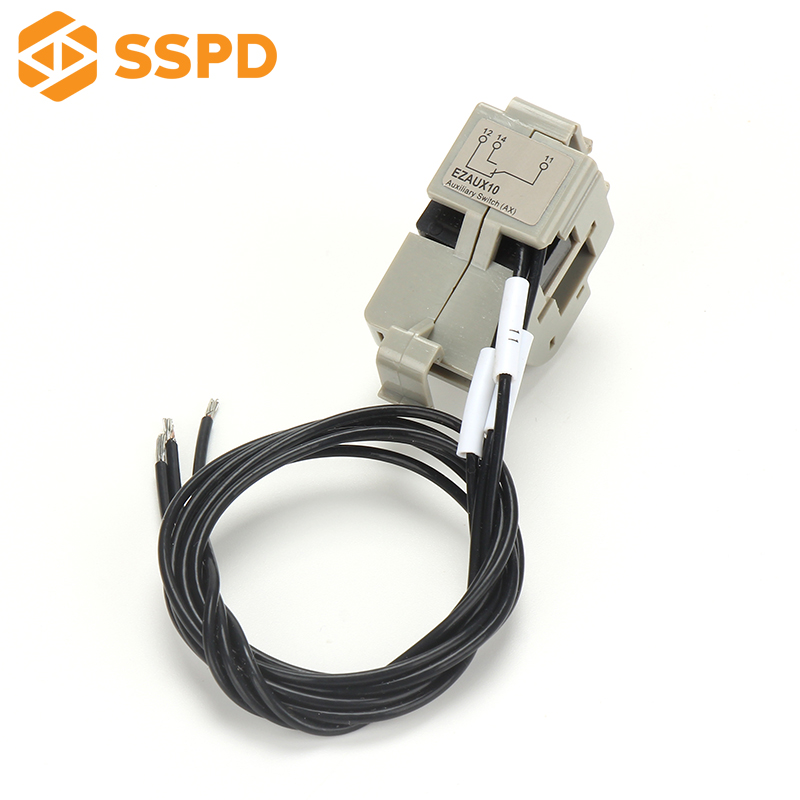
They can also be fitted with accessories such as auxiliary contacts, under-voltage trip units, and remote shunt trips, enhancing their functionality.
🧰 Selection & Maintenance Best Practices
Choosing the correct MCCB requires consideration of:
Load characteristics (continuous, motor, inductive, resistive)
Voltage class and system fault levels
Ambient temperature and enclosure rating
Coordination with upstream/downstream devices
Regular inspection and maintenance—such as checking torque settings, thermal imaging, and visual wear inspection—can prevent premature failure and maintain system safety.
📌 Conclusion
MCCBs serve as intelligent guardians of modern electrical systems. Their ability to combine time-delayed thermal protection with rapid short-circuit disconnection makes them indispensable in any power distribution network.
Whether you’re safeguarding motors, panels, or full industrial plants, understanding how MCCBs function ensures better design, longer equipment life, and greater electrical safety.
🧭 For application-specific guidance or to request datasheets and quotations, contact our engineering support team. We’re here to help you configure the right MCCB solution for your project.